
What Is The Importance Of Backflow Prevention In Plumbing?
Backflow prevention is a crucial component of effective plumbing. Without backflow prevention, the quality and safety of a home's water supply can be compromised. It is essential to understand what causes backflow in order to protect against it. This article explains why backflow prevention is crucial for plumbing systems and discusses its operation.
Backflow refers to any reverse flow of contaminated water from an industrial or domestic source into a potable water system. Backflows can occur due to pressure imbalances between two sources or because of cross-connections between clean and polluted lines. These events can lead to dangerous health hazards, such as bacteria, parasites, viruses, and other contaminants, entering the drinking water supply.
Plumbers must take steps to prevent backflow from occurring by installing special devices, such as check valves, vacuum breakers, and air gaps, that keep contaminated water out of the main water line at all times. These safeguards are necessary to protect public health and ensure customer satisfaction with their plumbing system. In this article, readers will gain insight into the importance of implementing proper backflow prevention measures to keep homes safe and operational.
Definition Of Backflow
Backflow is a major issue in the plumbing industry. It occurs when contaminated water flows into areas that are typically clean, such as potable drinking water supplies. This can cause serious health risks and must be prevented. A backflow prevention device ensures that contamination does not flow backward or upward through cross-connections between two different piping systems. In essence, it prevents clean water lines from coming into contact with wastewater pipes.
The most common types of backflow prevention devices are atmospheric vacuum breakers (AVBs), double-check valve assemblies (DCVAs), and reduced pressure zone assemblies (RPZs). AVBs allow air to enter the system if there is negative pressure, preventing contaminants from entering the system. DCVAs have two independently acting check valves at opposite ends of an enclosure chamber and can protect against both low and high-pressure situations. RPZs serve as a last line of defense by combining several components, including a set of check valves, a relief valve, and an automatic shutoff valve, all enclosed within one housing unit.
Plumbers must understand the importance of installing properly functioning backflow prevention devices to protect public health, safety, and welfare, while ensuring compliance with relevant regulations. These devices play an integral role in protecting our homes, businesses, schools, and other buildings from potential exposure to hazardous materials resulting from improper or inadequate on-site backflow control measures.
Reasons For Backflow Prevention
Backflow prevention is a crucial part of plumbing system maintenance and installation. It helps to ensure that water remains uncontaminated as it flows through the drainage system, protecting users from potential health hazards. The proper use of backflow preventers can also protect against flooding caused by changes in water pressure along the pipes.
Backflow prevention devices are designed to detect any reversed flow within the plumbing system and stop contaminated water from entering the clean supply line. This prevents polluted water, such as sewage or runoff entering drinking supplies, which could lead to serious health risks for those consuming it. Additionally, backflow preventers help keep floodwaters out of buildings and homes by detecting sudden drops in water pressure along the pipes. Heavy rains or other natural disasters may cause these drops, and having a device installed can provide homeowners with peace of mind, knowing that their property will remain safe from unwanted contamination or damage due to flooding events.
Need a Plumber or Waterproofing Expert?
Our team is available 24/7 for emergencies. Call now or schedule online.
Installing backflow preventers is a crucial step in maintaining a safe and healthy environment, ensuring that one’s home is protected during emergency flooding situations. Taking preventive measures today with high-quality backflow prevention devices can save time, money, and hassle down the road when dealing with potentially hazardous circumstances involving contaminated water sources or destructive floods caused by sudden changes in water pressure throughout the piping network.
Solutions For Backflow Prevention
Backflow prevention systems are crucial for protecting plumbing systems and the public water supply from contamination. These devices block any flows that may attempt to travel in reverse through a pipe, preventing contaminants and pollutants from entering drinking water supplies. Solutions for backflow prevention include:
- Check valve installation: Installing check valves throughout a system is one solution for stopping contaminated water from traveling upward in the pipes and contaminating a potable water source. A check valve consists of two flaps or discs that open and close when fluid passes through, allowing only forward flow and preventing backward movement.
- Cross-connection control: Cross-connections between clean and dirty lines can be prevented with dual check valves or air gaps, creating an insurmountable separation between contaminated and potable water sources. Dual check valves are installed on both sides of a cross connection, whereas air gaps require sufficient space between fixtures, such as sinks or dishwashers, and the potential source of contamination.
- Proper maintenance: Regularly inspecting all components of the system, including shut-off valves, faucet aerators, hoses, and other parts, helps ensure they remain free from debris buildup or other damage that could result in leaks or blockages leading to backflows. Additionally, checking pressure gauges regularly will help identify any changes in pressure levels within the system that could lead to improper operation of backflow preventers.
By implementing these solutions for backflow prevention, plumbers can effectively safeguard against potentially hazardous situations caused by contaminated fluids entering our most precious resource – our drinking water supply!
Conclusion
Backflow prevention is a crucial aspect of plumbing, as it ensures the water supply remains safe and uncontaminated. Plumbers can help protect homes and businesses from potentially dangerous contamination by preventing backflow.
According to a US-based Environmental Protection Agency (EPA) survey of professionals, nearly half of all public drinking water systems nationwide are at risk for backflow incidents due to inadequate or outdated equipment. This highlights the importance of paying close attention to backflow prevention in order to keep everyone’s health and safety a top priority.
Exploring various solutions for backflow prevention is crucial for any plumber seeking to deliver high-quality service and comply with regulations. Installing dual check valves, pressure vacuum breakers, air gaps, and other devices can ensure that contaminated water does not reach the user’s tap. Plumbers should also inspect existing installations regularly to identify potential issues before they become serious problems.
Overall, understanding the concept of backflow prevention and its importance is key for anyone involved in the plumbing industry. With careful planning and regular maintenance checks, plumbers can provide their customers with peace of mind knowing their water supplies remain clean and safe from potential contamination.
Need Help With Your Plumbing?
Our team is ready to help with any plumbing or waterproofing need.
Related Articles
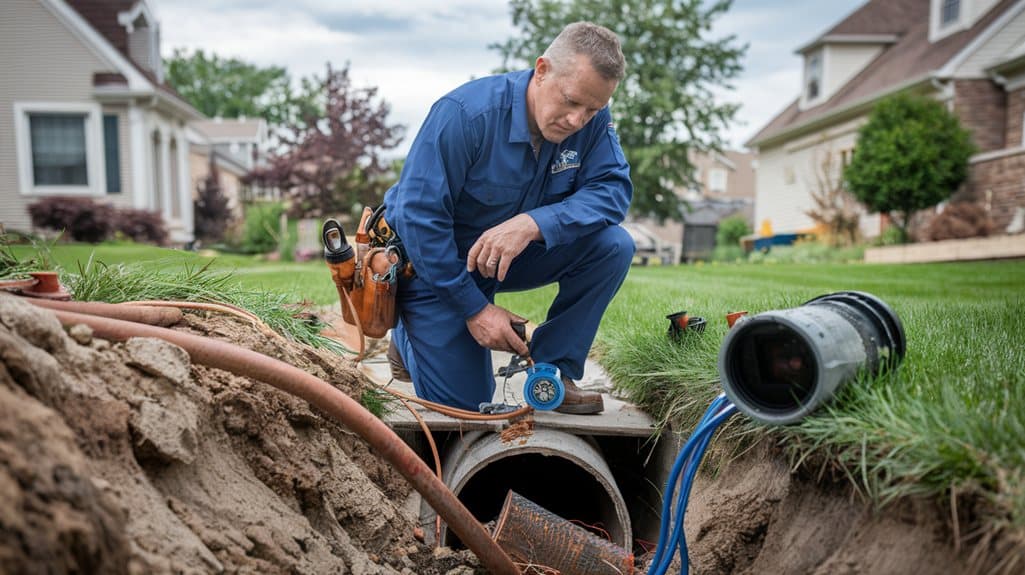
Why Timely Drain Cleaning Matters for Boardman Ohio Residents
Timely drain cleaning is essential for Boardman, Ohio, residents as it prevents major plumbing issues and costly repairs. By keeping drains clear, we prevent clogs that can lead to flooding, water damage, and health risks such as mold growth. Professional cleaning enhances home hygiene by eliminatin
Read More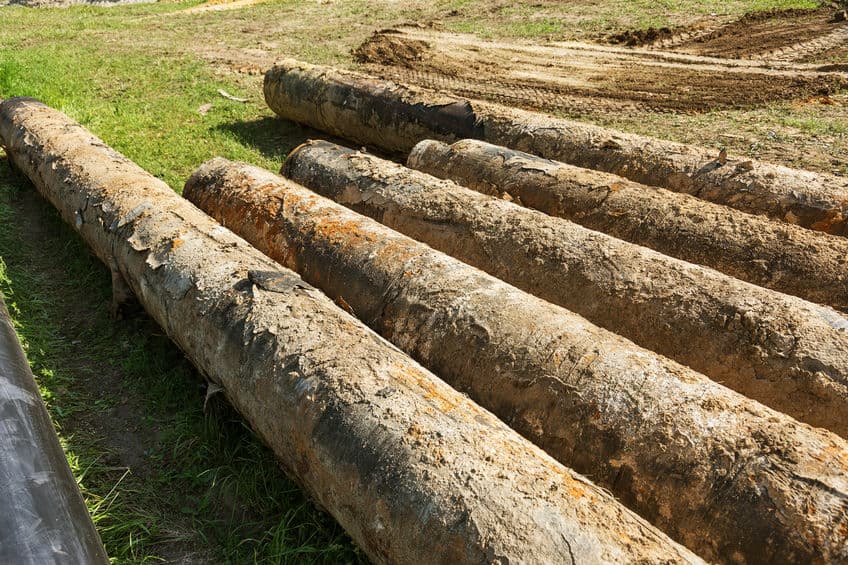
Top Causes of Sewer Line Issues in Boardman Ohio and How We Can Help
Sewer line issues in Boardman, Ohio, often stem from clogged lines, tree root infiltration, pipe corrosion, external damage from natural events, and blocked vent pipes. AK Water Works addresses these challenges through regular inspections, advanced video diagnostics, trenchless repair methods, and 2
Read More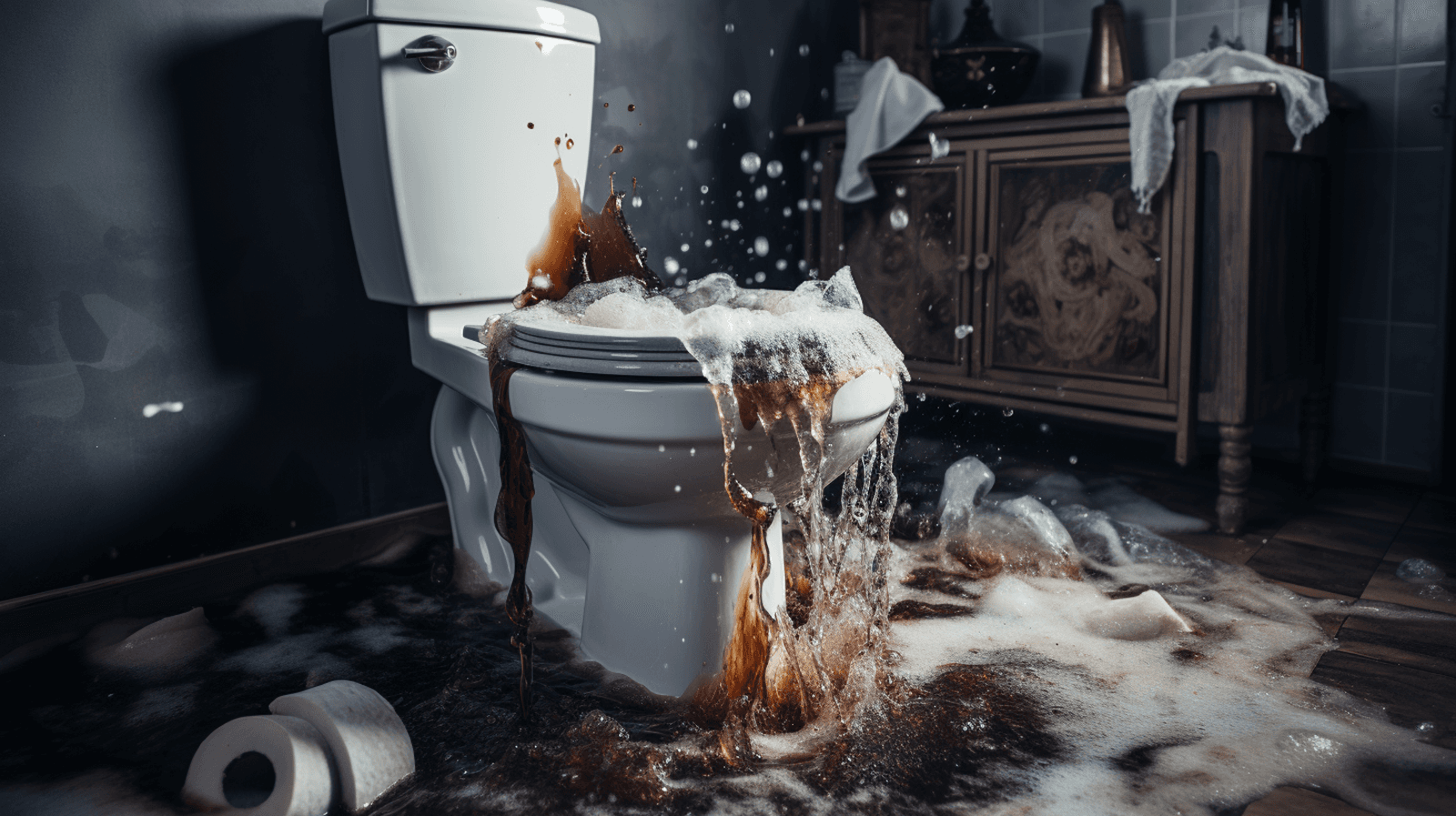
How to Clean up Overflowed Toilet Water
Dealing with an overflowed toilet and the mess it has caused can feel overwhelming. But don't worry, I'm here to guide you through the process of cleaning up the situation safely and effectively. The first step is to understand the cause of the overflow and assess the damage. Once you have done that
Read More